Hawaii State Holidays
Official Hawaii State Holidays and local observances vary across the year, making it essential to have a reliable local calendar. While federal closures apply across the United States, Hawaii officially recognizes unique state legal holidays and community observances deeply rooted in its rich monarchical history and island heritage.
Select a section below to explore official closure dates, discover top state parks, browse annual cultural festivals, and dive into fascinating state facts!
Bank Closures & Schedules
- Commercial Banking Schedules – While national banks follow the standard Federal Reserve calendar, local bank branches and state-chartered credit unions across the state typically mirror official state government holiday closures. Always call your local branch ahead of time to verify specific drive-thru and lobby hours on state-specific holidays.
Hawaii State Holidays
Here is the summary of the official, unique Hawaii State Holidays closures for the 2026 calendar year:
- March 26, 2026 - Prince Jonah Kūhiō Kalanianaʻole Day – (Date Rule: Observed annually on a fixed date every March 26 to honor the legacy of Prince Kūhiō, a territorial congressional delegate who established the Hawaiian Homes Commission Act).
- April 3, 2026 - Good Friday – (Date Rule: Observed annually on the Friday immediately preceding Easter Sunday; Hawaii has recognized this as a legal state holiday closing public agencies since 1941).
- June 11, 2026 - King Kamehameha I Day – (Date Rule: Observed annually on a fixed date every June 11 to honor the monarch who first united the Hawaiian Islands under a single kingdom).
- August 21, 2026 - Statehood Day (Admission Day) (Date Rule: Celebrated annually on the third Friday of August to commemorate Hawaii's 1959 admission to the United States as the 50th state).
- November 3, 2026 - General Election Day (Date Rule: Observed by state law on the first Tuesday after the first Monday of November in even-numbered years to maximize voter access and turnout).
Local Hawaii
Observance Days
These are designated cultural and commemorative periods across the islands. They do not involve official public office closures, but they are legally recognized by Hawaii state statutes to protect and celebrate the rich history, languages, and multi-ethnic heritage of the state:
Other Unique Hawaii Observances:
Official Months
- February - Ōlelo Hawaiʻi Month (Date Rule: Designated legally by state statute § 8-24 to celebrate, promote, and perpetuate the official native Hawaiian language across the islands).
- October - Filipino-American History Month (Date Rule: Recognized legally under § 8-18 to honor the immense historical and cultural contributions of Filipino Americans to Hawaii).
Official Weeks
- February 15–21, 2026 - Asian Lunar New Year Commemoration Week (Date Rule: Celebrated by law under § 8-4.6 during the week following the official Asian Lunar New Year to honor the cultural contributions of Chinese, Korean, and Vietnamese ancestors).
Official Days
- May 1 - Lei Day (Date Rule: Fixed historical date declared under § 8-13 celebrating the spirit of Aloha across all islands with the iconic phrase, "May Day is Lei Day in Hawaii").
- September 2 - Queen Liliʻuokalani Day – (Date Rule: Fixed statutory date established under § 8-5.5 to honor the birthday, legacy, and musical compositions of Hawaii’s last reigning monarch).
- September 21 - Peace Day (Date Rule: Fixed commemorative date recognized under § 8-16 to promote global harmony, coinciding intentionally with the United Nations International Day of Peace).
- October 12, 2026 - Discoverers' Day (Date Rule: Observed legally under § 8-1.5 on the second Monday in October in recognition of the early Polynesian navigators who originally discovered the Hawaiian Islands).
- December 20 - Sakada Day – (Date Rule: Fixed historical date established under § 8-18.5 to honor the legacy of the initial Filipino plantation laborers who arrived in Hawaii in 1906).
Weather & Environment-Related Hawaii Observances:
Official Months
April - Hawaii Tsunami Awareness Month (Date Rule: Observed annually for the entire month of April to commemorate the devastating April Fools' Day tsunami of 1946 and educate the public on evacuation zones)
Official Weeks
May 24–30, 2026 - Hawaii Hurricane Preparedness Week (Date Rule: Designated annually by the Governor during the final full week of May to prompt residents to review emergency supplies right before the central Pacific hurricane season begins on June 1)
Official Days
Statewide Monthly Outdoor Warning Siren Test – Observed on the first business day of every single month at exactly 11:45 AM HST (Rule: Coordinated monthly by the Hawaii Emergency Management Agency, sounding all-hazard outdoor sirens and emergency alert radio broadcasts simultaneously across all islands to verify emergency readiness)
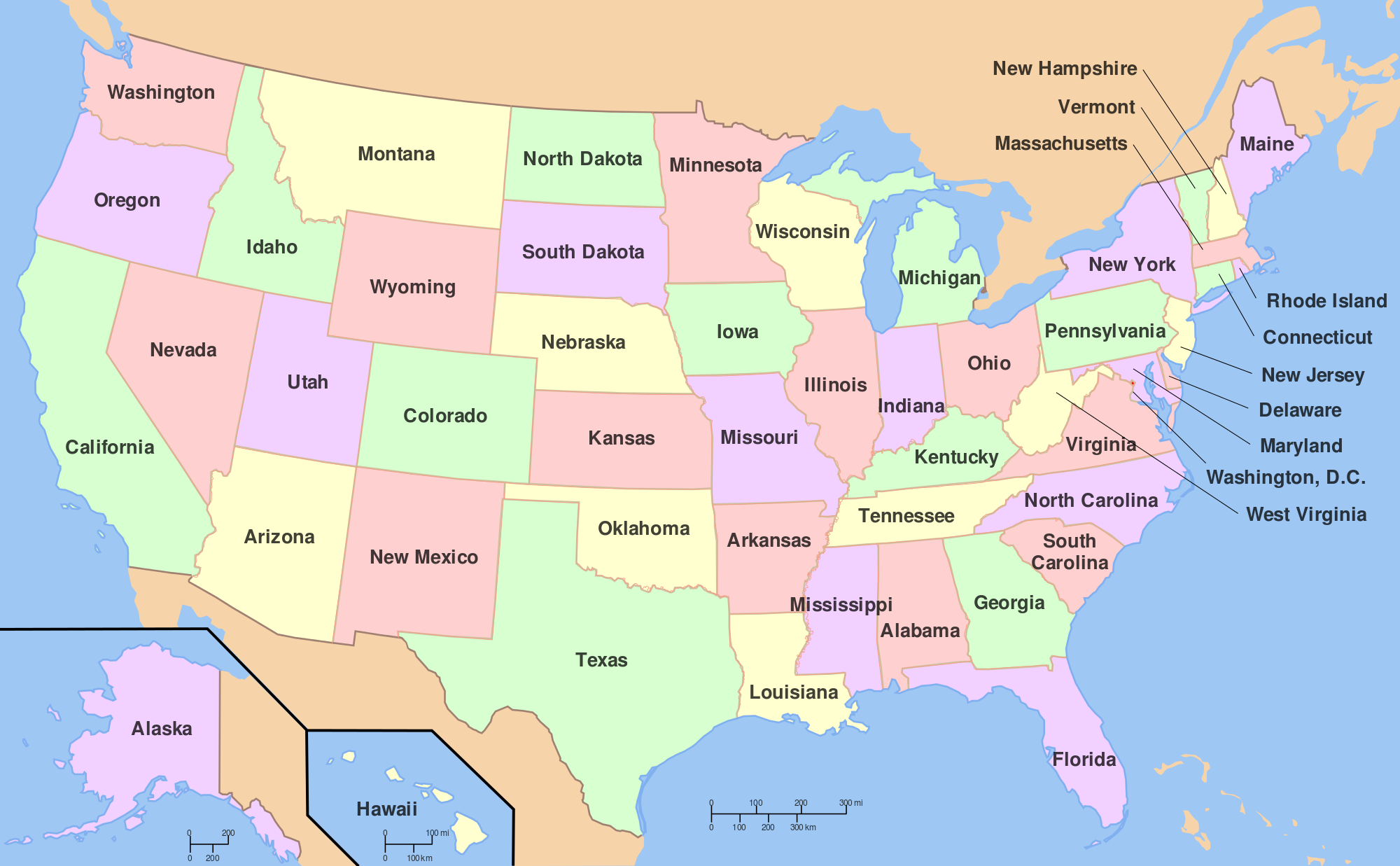
Map of Hawaii
State Facts, History & Symbols
Here is the official Hawaii State Facts, History & Symbols list:
- Hawaii became the 50th State on August 21, 1959
- Hawaii State Abbreviation: HI
- Hawaii State Capital: Honolulu
- Hawaii State Amphibian: (None officially designated)
- Hawaii State Animal: Hawaiian Monk Seal (State Mammal)
- Hawaii State Bird: Nēnē (Hawaiian Goose)
- Hawaii State Butterfly: Kamehameha Butterfly
- Hawaii State Fish: Humuhumunukunukuāpuaʻa (Reef Triggerfish)
- Hawaii State Flower: Pua Aloalo (Yellow Hibiscus)
- Hawaii State Gemstone: Black Coral
- Hawaii State Nickname: The Aloha State
- Hawaii State Nut: Macadamia Nut (State Tree Macadamia/Kukui connection)
- Hawaii State Reptile: Green Sea Turtle (Honu - Marine Reptile)
- Hawaii State Song: "Hawaiʻi Ponoʻī"
- Hawaii State Tree: Kukui Tree (Candlenut Tree)
Hawaii State Flag
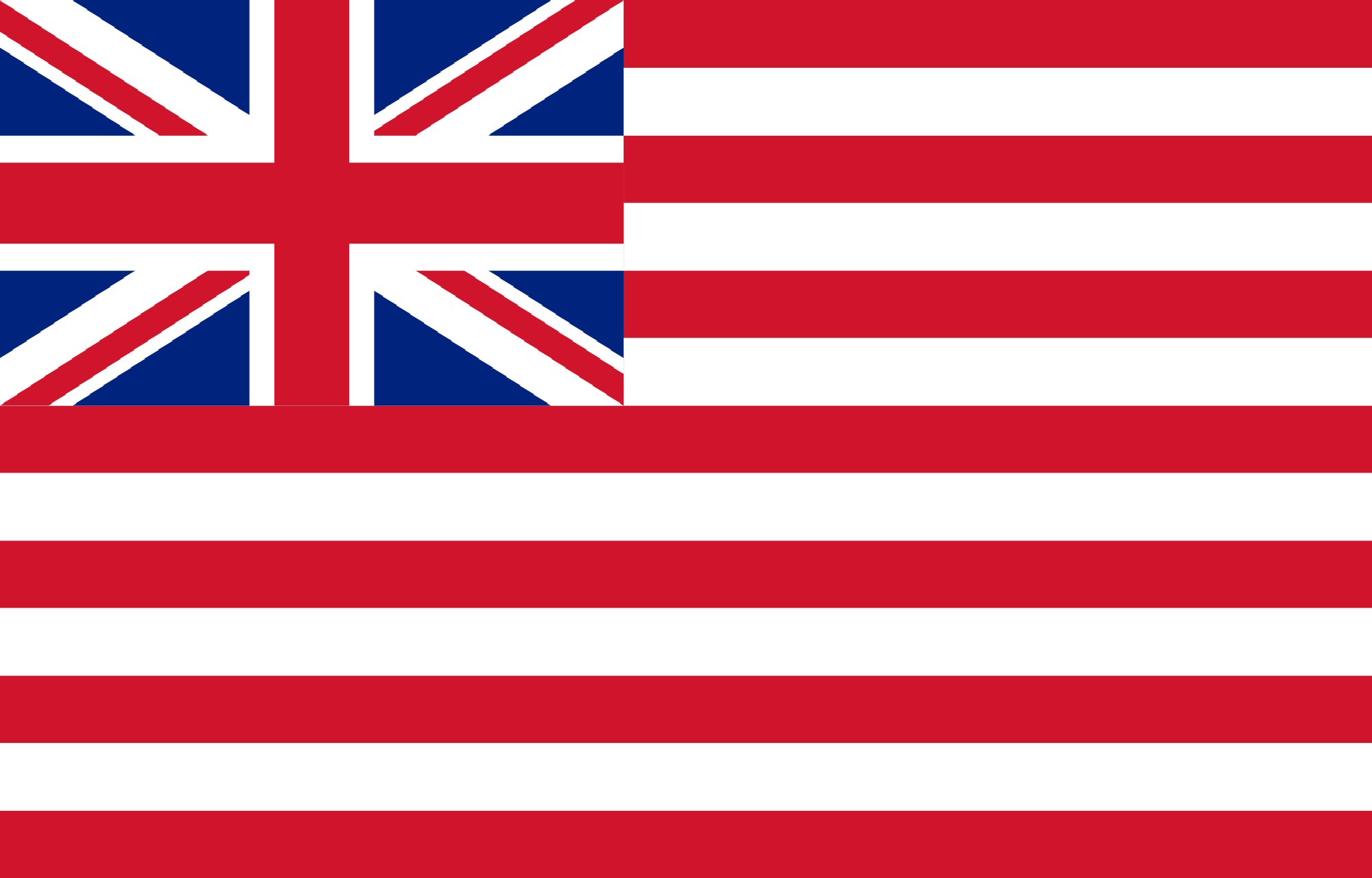
Overview of Hawaii
Hawaii, beautifully known as the Aloha State, is a breathtaking volcanic archipelago isolated in the central Pacific Ocean, famous for its dramatic cliffs, pristine multi-colored sand beaches, and lush tropical landscapes. Renowned worldwide for its active volcanoes, vibrant surfing culture, and deep Indigenous monarchical history, Hawaii seamlessly pairs ancient cultural traditions with world-class resort relaxation.
Watch the travel showcase below to explore the unique island environments, historic historic towns, and popular coastal destinations across Hawaii:
Hawaii Festivals & Events
- April 5–11, 2026 - Merrie Monarch Festival at the Edith Kanakaʻole Stadium in Hilo on the Big Island (Date Rule: Held annually during the full week starting on Easter Sunday, serving as the world's most prestigious week-long celebration of hula and traditional Hawaiian culture).
- May 25, 2026 - Shinnyo Lantern Floating Hawaiʻi at Ala Moana Beach Park on Oʻahu (Date Rule: Held every single year on the Memorial Day federal holiday, bringing together over 50,000 residents and visitors at sunset to float thousands of candlelit lanterns in remembrance of loved ones).
- September 26, 2026 - Aloha Festivals Floral Parade along Kalākaua Avenue in Waikīkī (Date Rule: Held annually on the final Saturday of September, serving as the grand finale of Hawaii’s month-long cultural heritage celebration, featuring marching bands, elaborate flower-covered floats, and traditional pāʻū horseback riders).
National Parks in Hawaii
While the federal system protects unique Pacific ecosystems and cultural landmarks across the islands, the state features several prominent properties managed under the federal National Park Service (NPS) system:
- Hawaiʻi Volcanoes National Park – Located on the Big Island (Encompasses two of the world's most active volcanoes, Kīlauea and Mauna Loa, allowing visitors to view dramatic raw lava landscapes and volcanic steam vents).
- Haleakalā National Park – Located on the island of Maui (Famous for its massive volcanic crater summit, stunning sunrise vistas above the clouds, and rare native species like the endangered ʻāhinahina silversword plant).
- Pearl Harbor National Memorial – Located in Honolulu on Oʻahu (Preserves the historical waters, artifacts, and floating white structure of the USS Arizona Memorial to honor those who lost their lives in the 1941 attack).
- Puʻuhonua o Hōnaunau National Historical Park – Located on the south Kona coast of the Big Island (A beautifully preserved 180-acre ancient place of refuge featuring massive hand-carved wooden kiʻi statues and royal grounds).
- Kalaupapa National Historical Park – Located on a remote peninsula of Molokaʻi (Preserves the historic, isolated community where individuals afflicted with Hansen's disease were exiled, nestled at the base of the world's tallest sea cliffs).
For additional information on National Parks in Hawaii, visit the
- National Park Service Hawaii Portal – nps.gov
State Parks in Hawaii
The Hawaii State Park System features a magnificent network of 50 individual parks managing over 30,000 acres of land across five major islands. Here are the Top 5 most visited state parks
- Waimea Canyon State Park – Located on the island of Kauaʻi (Affectionately nicknamed the "Grand Canyon of the Pacific," offering heart-stopping overlooks into a dramatic 3,600-foot-deep gorge layered with brilliant red and emerald hues).
- Waiʻānapanapa State Park – Located along the Road to Hāna on Maui (Famous for its pristine jet-black volcanic sand beach, sweeping ocean vistas, hidden freshwater caves, and native hala fruit trees).
- Hāʻena State Park – Located on the north shore of Kauaʻi (Features the breathtaking turquoise waters of Keʻe Beach and serves as the official trailhead for the world-famous coastal Kalalau Trail).
- ʻAkaka Falls State Park – Located near Hilo on the Big Island (Offers an easy, paved walking path slicing through a dense tropical rainforest loop that leads right to a spectacular 442-foot plunging waterfall).
- Nā Pali Coast State Wilderness Park – Located on Kauaʻi (A world-famous, completely roadless coastline defined by massive, razor-sharp emerald sea cliffs rising 4,000 feet straight out of the crashing Pacific Ocean).
For more information on the State Parks in Hawaii visit the: Division of State Parks - Department of Land and Natural Resources
Hawaii Resources & Official Links
- Hawaii State Web Portal – ehawaii.gov
- Hawaii - Wikipedia – wikipedia.org
- Go Hawaii (Official Tourism Site) – gohawaii.com
- National Park Service Hawaii Portal – nps.gov
Pinterest Board of Hawaii
Holidays and Observances Hawaii Board – Follow our dedicated visual board for hand-picked island inspiration! Discover gorgeous photography of Hawaii's black-sand beaches, roaring volcanic landscapes, and vibrant floral parades to help plan your next getaway to the Aloha State.


Follow Us!
Instagram Account is Leigh's account - Follow along as I create a Homestead on 3.7 acres of raw land

SITE SPONSORS
(Please check out OUR other Sites!!)

Kerry's Site - Healthy Diet Habits:
We Will Be Moving the HDH Website to the Holiday Website!
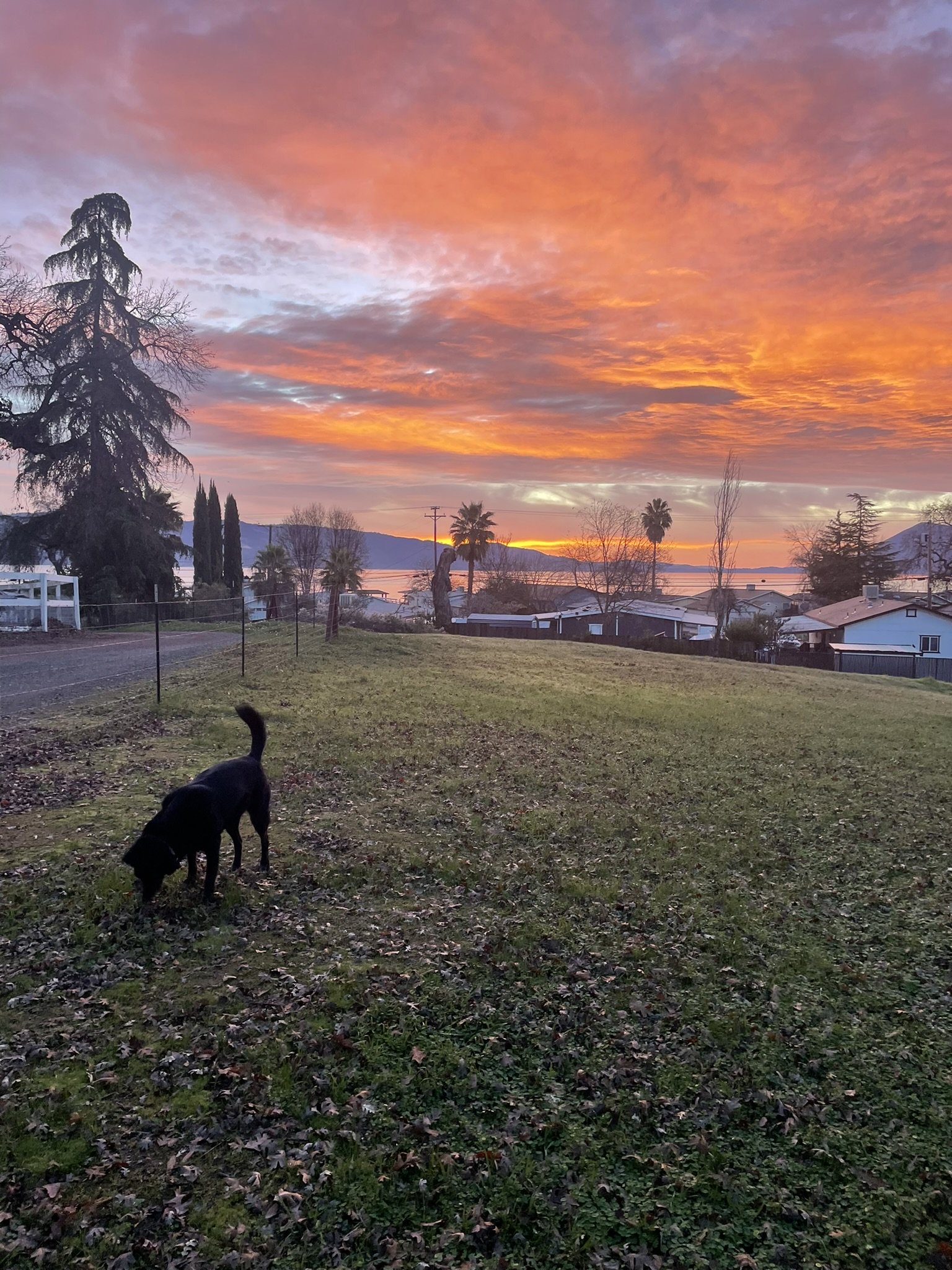
Storz Homestead Lakeport, CA
Follow Along as I build out 3.7 acres
Build YourOwn Website!

SBI, or Solo Build It, is the E-Business software that we are using for this site!
Create some PASSIVE INCOME streams!
Related Pages





Solo Build It, or SBI, is the awesome E-Business software that we are using for this site! Create an extra income stream in your spare time!
Return from Hawaii State Holidays to State Holidays
Return from Hawaii State Holidays to Holidays and Observances Home Page
By Leigh Storz, of Storz Website Designs,
and Kerry Bacon, of Healthy Diet Habits
Copyright © 2012-2026 holidays-and-observances.com
All Rights Reserved