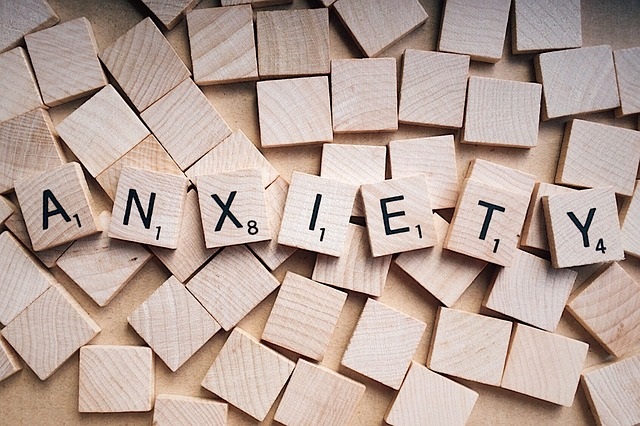
International Stress Awareness Week and Days (November)
The arrival of November brings a major shifting point on the global holiday calendar, hosting a powerful cluster of mental health campaigns including International Stress Awareness Week and National Stress Awareness Day. As the year winds down, daylight hours grow shorter, and the frantic demands of year-end deadlines and holiday planning approach, November serves as the absolute perfect time for a collective lifestyle intervention.
Because various international organizations track these events under slightly different names, you will frequently see multiple stress campaigns listed on the November calendar. Rather than treating them as separate events, these observances work together as a unified global movement to de-stigmatize mental health struggles, address workplace burnout, and promote positive daily habits.
The November Stress Calendar: Dates and History
Understanding the differences between these distinct November campaigns can help you track them seamlessly on your calendar. Here is how these meaningful observances align by date and historical background:
- International Stress Awareness Week: Observed annually during the first full week of November. (November 1-7, 2026) This campaign was established to create a prolonged, week-long dialogue surrounding public health, corporate stress relief, and systemic mental wellness.
- International Stress Awareness Day: Celebrated on the first Wednesday of November. (November 4, 2026) Founded by the International Stress Management Association (ISMA), this high-visibility global event brings together medical professionals, educators, and wellness coaches to share practical stress-reduction strategies.
- National Stress Awareness Day (UK & Global): Also recognized on the first Wednesday of November. (November 4, 2026) While the United States observes its tax-themed version in April, the rest of the world utilizes the November timeline to address the winter seasonal shift and corporate environments.
- Stress Awareness Day: A universal public-domain shorthand used on the first Wednesday of November (November 4, 2026) by schools, community centers, and local health departments to encourage individuals to take a personal self-care day.
Addressing the Modern Epidemic of Workplace Burnout
The primary focus of the November stress campaigns is identifying and managing workplace burnout. In our hyper-connected, modern corporate culture, professionals are expected to be available 24/7 via emails, text notifications, and digital project managers. This constant state of connectivity keeps your central nervous system stuck in a toxic, permanent "fight or flight" pattern.
Sustained career anxiety does not stay confined to the office; it physically targets your body. When your system is flooded with continuous waves of the hormone cortisol, it actively disrupts your baseline health. Chronic workplace tension is a leading contributor to:
- Elevated blood pressure and dangerous cardiovascular strain.
- Deep metabolic fatigue and persistent insomnia that ruins your sleep cycle.
- Severe physical tension, including migraines and muscle cramping.
- Cognitive brain fog that destroys your concentration, memory, and productivity.
The Cross-Over Trap: Career Stress and Unhealthy Dietary Habits
There is a critical biological intersection between professional burnout and your daily relationship with food. When you are exhausted from tight deadlines or family responsibilities, your brain actively searches for the fastest possible source of chemical comfort. This is the exact moment that unhealthy dietary choices override your logical thinking.
High cortisol levels actively block your brain from recognizing leptin, the vital hormone responsible for suppressing your appetite and signaling that you are full. Because your internal satiety gauges are muted, you find yourself facing intense cravings for processed "comfort foods" packed with refined sugars, trans fats, and sodium—like cookies, chips, cakes, and fast food.
Consuming these trigger items forces a temporary release of serotonin (the brain's feel-good chemical), creating a dangerous emotional dependency. Turning to food to survive a stressful workday leads directly to sudden weight changes and stubborn fat storage around the midsection. True weight control requires active, daily stress control. You cannot build a healthy body if your mind is living in a state of constant anxiety.

Explore Our Integrated Healthy Lifestyle Resources
International Stress Awareness Week is a vital reminder that long-term health requires a holistic approach, blending calendar tracking with intentional daily habits. To help you build a personalized strategy to manage pressure, we have fully integrated Kerry's professional lifestyle frameworks from Healthy Diet Habits:
- The Master Stress Management Hub: A deep-dive guide detailing how chronic pressure impacts your physical biology, complete with an actionable list of positive non-food stress busters, sleeping protocols, and time-management tips.
- The Stress and Weight Gain Guide: An intensive exploration of the relationship between cortisol, sleep deprivation, and belly fat, packed with practical kitchen swaps and habits to conquer emotional over-eating.
- Wellness and Stress During Pregnancy: Crucial medical research regarding prenatal hormone health, along with safe, relaxing solutions—including professional prenatal and labor massage.
Your Action Plan for This November
Do not allow these calendar days to pass by without auditing your personal routine. Take action today by implementing a few simple lifestyle boundaries:
- Set a digital curfew: Shut off all work laptops, professional chat apps, and smartphones at least one hour before bed to allow your mind to wind down.
- Practice time management boundaries: Protect your schedule by politely declining extra commitments that drain your precious energy. Remember: saying "no" opens up space for someone else to step in and grow.
- Swap your afternoon fuel: Replace your late-day espresso or caffeinated energy drinks with fresh water, green tea, or unsweetened sparkling water to protect your nervous system from artificial panic triggers.

Solo Build It, or SBI, is the awesome E-Business software that we are using for this site! Create an extra income stream in your spare time!


Follow Us!
Instagram Account is Leigh's account - Follow along as I create a Homestead on 3.7 acres of raw land

SITE SPONSORS
(Please check out OUR other Sites!!)
Kerry's Site - Healthy Diet Habits:
We Will Be Moving the HDH Website to the Holiday Website!

Leigh's site - Truckee Travel Guide - a tourism site about the Ski Town of Truckee and Lake Tahoe.

Massage By Brie - Sacramento, CA
(Leigh's Daughter Brie)
Storz Homestead Lakeport, CA
Follow Along as I build out 3.7 acres
Search for Holidays By Month
Build Your Own Website!

SBI, or Solo Build It, is the E-Business software that we are using for this site!
Create some PASSIVE INCOME streams!
Related Pages


Stress
National Stress Awareness Day April 16, 2026
National Stress Awareness Month
April

National Stress-Free Family Holiday Month - December
November Stress Awareness Days