National Childhood Obesity Awareness Month
September is National Childhood Obesity Awareness Month. This annual observance serves as a vital time to shine a light on a growing public health crisis and mobilize families, schools, and communities to take actionable steps toward prevention and management.
History & Sponsorship
Officially established in 2010 through a White House Proclamation, the National Childhood Obesity Awareness Month is sponsored by the Centers for Disease Control and Prevention (CDC), specifically their Division of Nutrition, Physical Activity, and Obesity.
To provide families with the best resources, the CDC partners with the country's leading medical, advocacy, and fitness authorities, including:
- AAP (American Academy of Pediatrics): An association of 67,000 pediatricians dedicated to the health and safety of children. They set the official clinical guidelines for preventing and treating pediatric obesity.
- OAC (Obesity Action Coalition): A national non-profit advocacy group that supports individuals affected by obesity, fights weight-based bullying and stigma, and shares evidence-based health management tools.
- ACSM (American College of Sports Medicine): The world’s largest sports medicine and exercise science organization. They provide the official research and guidance on physical activity and fitness for kids.
Mission and Goals
The core mission of the National Childhood Obesity Awareness Month is to raise public awareness about the childhood obesity epidemic and promote sustainable community lifestyle shifts. Key goals include:
- Lifestyle Education: Giving families actionable resources to improve daily nutrition, step up physical activity, and prioritize hydration over sugar.
- Systemic Advocacy: Supporting policies that eliminate "food deserts," enhance nutrition standards in schools, and build safe spaces for kids to play.
- Compassionate Support: Fostering environments that protect children against weight-based bullying while ensuring access to evidence-based medical care.
Current Research: The Extent of the Problem
Recent studies demonstrate that childhood obesity rates have climbed to unprecedented historical highs:
- Record Prevalences: According to CDC data, 21.1% of American children and adolescents aged 2 to 19 live with obesity—affecting more than 1 in 5 youth. For teens aged 12 to 19, that number peaks at nearly 23%.
- A Historical Shift: In the mid-1970s, only about 5% of youth were affected. Today, the World Obesity Atlas reports that for the first time in history, more school-aged children globally live with obesity than live underweight.
- Socioeconomic Factors: Data from the State of Childhood Obesity project highlights that income is a leading predictor; children living below the federal poverty line experience obesity at more than double the rate of peers from higher-income households.
- The Health Impact: As a result of changing behaviors, childhood obesity is skyrocketing. Teens are gaining weight at an alarming rate and developing Type 2 diabetes or metabolic syndrome. These chronic symptoms used to be associated almost exclusively with 40- to 50-year-olds.
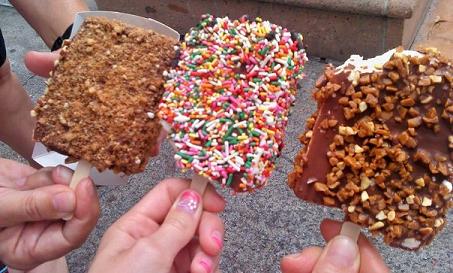
Daily Predictors of Childhood Obesity
According to University of Washington Dietitian Judy Simon, there are strong, everyday predictors for obesity in youth. Many of these center around convenience and rushing through busy schedules:
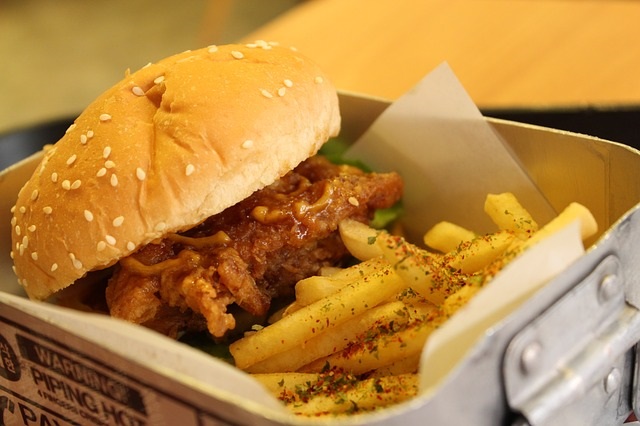
- Grabbing Fast Food: Forty-eight percent of teens eat fast food daily. Many choose cheap items off fast-food dollar menus, skipping out on their needed 5 to 7 daily servings of fruits and vegetables.
- Skipping Breakfast: Students frequently rush off to early high school classes without eating. By lunchtime, they are starving, pile into cars, and head straight for fast food.
- High Consumption of Sugared Drinks: The average 17-year-old drinks over 13% of their daily calories in the form of sports drinks, sodas, and fruit-flavored beverages packed with sugar rather than real fruit juice. Two-thirds of teens drink sodas daily.
- Isolated Eating Habits: Most teens eat only one or two sit-down meals a day, relying on snacking for the rest of their food. Whether or not your family eats meals together is a massive predictor of nutritional health.
Lifestyle Solutions: Healthy Diet Habits at Home
Kids need to learn healthy diet habits from their parents. Moms and dads can be incredibly influential because they purchase and serve the meals at home. Moms are typically the "gatekeepers" of the family diet. By skipping the inner processed aisles of the grocery store and shopping the outer edges where fresh food lives, parents can change the trajectory of their children's health.
The "5-2-1-0" Daily Framework
Broadly promoted by health clinics during September, this rule gives families an easy daily checklist:
- 5 - Eat 5 or more servings of fruits and vegetables.
- 2 - Keep recreational screen time to 2 hours or less.
- 1 - Participate in 1 hour or more of physical activity.
- 0 - Consume 0 sugary beverages (drink water or low-fat milk instead).

Moving Together: Family Physical Activity
While nutrition is a massive piece of the puzzle, kids and teens need at least one hour of physical activity every day to stay healthy. The best way to make exercise a habit is to turn it into a fun family routine, as most adults benefit from moving more too! You don't need expensive gym memberships; instead, focus on simple, everyday activities you can do together:
- Active Afternoons: Take a 20-minute brisk walk together after dinner, or turn on some music for a quick family dance-off in the living room.
- Weekend Adventures: Plan weekend bike rides, explore local hiking trails, or spend an hour playing catch, soccer, or frisbee at a neighborhood park.
- Active Chores: Transform yard work, gardening, or washing the family car into a high-energy, teamwork activity.
- Teen-Friendly Fitness: Encourage teenagers to try structured activities that feel like play rather than a workout, such as swimming laps, rollerblading, skateboarding, or playing pickup basketball with friends.
Healthy Breakfast Habits
Skipping breakfast leads to overeating later. Please keep your kitchen well-stocked with quick, healthy items. Avoid high-sugar cereals that crash your child's concentration at school, and aim for high-fiber options (10g per serving) to keep them full longer. Try these grab-and-go options:
- Yogurt & Toppings: High-protein Greek yogurt topped with high-fiber cereal or fresh berries, or both.
- Whole Fruits: Bananas, apples, pears, or oranges. Whole fruit provides necessary fiber that commercial fruit juices lack.
- Quick Proteins: Cheese sticks or Laughing Cow cheeses.
- Nut Butter Waffles: Toasted 100% whole wheat or whole grain waffles topped with peanut butter or almond butter.
- Smoothies: Blended real fruit, yogurt, and protein powder.
- Breakfast Sandwiches: A whole-wheat sandwich with peanut butter and a banana, or a whole-grain muffin with an egg and Canadian bacon.
Note on Muffins: Commercial options, like Costco muffins, do not count as a healthy breakfast choice. They vary between 800 and 1,000 calories and are loaded with sugar.

Healthy Lunch Habits
School lunches are tough because kids face social pressure and unhealthy cafeteria temptations. Even if you worry they might swap it, parents are highly encouraged to provide a nutritious baseline lunch:
- Smart Sandwiches: Use 100% whole wheat bread, whole grain tortillas, or crackers paired with nitrate-free lean meats.
- Fresh Veggie Sticks: Pack chopped vegetables in a separate baggie to add to sandwiches later so the bread doesn't get soggy.
- Dips & Portions: Single-serving hummus packages paired with vegetables. If packing chips, look for smaller, portion-controlled baked options (like Sun Chips at 140 calories a bag).
- Leftovers: Thermos-packed leftovers from a healthy dinner the night before.
Dinner and General Lifestyle Habits
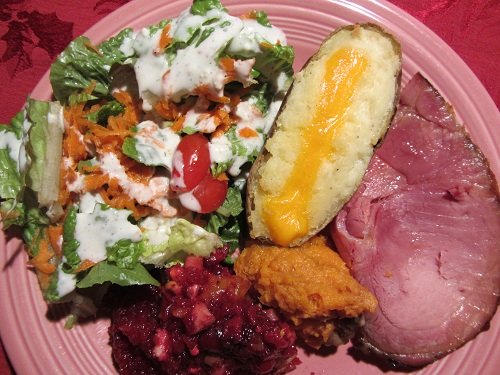
- The Half-Plate Rule: Fill half of every plate with fruits and vegetables. A quarter should be a healthy carbohydrate (like brown rice), and the final quarter should be a lean protein.
- Keep It Real: Eliminate processed foods wherever possible. A good rule of thumb: processed foods come with a barcode and don't spoil easily. Real food will spoil!
- Quick Whole-Food Cooking: Master 10 quick meals you can whip up in 30 minutes. For an easy dinner, debone a pre-cooked rotisserie chicken and stir-fry it with pre-cut fresh vegetables over brown rice.
- Teach Calorie Basics: Help teens understand calorie counts early. Most teens would reconsider a 500- to 1,000-calorie blended coffee or juice drink if they truly understood what those numbers meant for their daily energy balance.
- Build a Fast Food Guide: Since calorie statistics are online for almost all major chains, put together a quick cheat sheet of lower-calorie options at your teen's favorite fast-food restaurants so they can make wise choices on the go.
Remember that your kids are looking to you for health guidance, and that is a major responsibility! When you commit to incorporating healthy diet habits into your family lifestyle, the entire household benefits for a lifetime.

Solo Build It, or SBI, is the awesome E-Business software that we are using for this site! Create an extra income stream in your spare time!


Follow Us!
Instagram Account is Leigh's account - Follow along as I create a Homestead on 3.7 acres of raw land


SITE SPONSORS
(Please check out OUR other Sites!!)
Kerry's Site - Healthy Diet Habits:
We Will Be Moving the HDH Website to the Holiday Website!

Leigh's site - Truckee Travel Guide - a tourism site about the Ski Town of Truckee and Lake Tahoe.

Massage By Brie - Sacramento, CA
(Leigh's Daughter Brie)

Storz Homestead Lakeport, CA
Follow Along as I build out 3.7 acres
Search for Holidays By Month
Build Your Own Website!

SBI, or Solo Build It, is the E-Business software that we are using for this site!
Create some PASSIVE INCOME streams!
Obesity


National Childhood Obesity Awareness Month - September
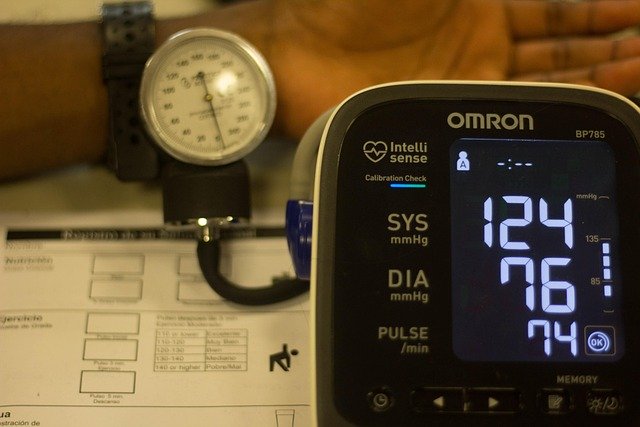
Obesity Awareness Month (Adults) - September