Adult Obesity: Understanding the Health Risks and Science-Backed Solutions
Obesity remains one of the most critical public health topics today. According to the Centers for Disease Control and Prevention (CDC), more than 40% of U.S. adults are now classified as living with obesity, with nearly another 32% falling into the overweight category.
When we look at these skyrocketing numbers, it raises serious questions. Do people just grossly overeat, or is there a deeper biological shift taking place? If decades of standard dietary advice were working perfectly, would our communities be facing an epidemic of this scale?
To truly understand this complex chronic disease, we have to look past the surface and examine what modern scientific research tells us about fat, insulin, and our bodies.

How is Obesity Defined?
To understand the public health impact, it helps to look at how medical professionals define these weight categories. Healthcare providers universally use Body Mass Index (BMI)—a screening calculation that evaluates an adult's weight relative to their height—to determine weight classifications:
- Healthy Weight: A BMI between 18.5 and 24.9.
- Overweight Bracket: A BMI between 25.0 and 29.9, indicating elevated body mass relative to height.
- Obesity Threshold: A BMI of 30.0 or higher, which signals a significant increase in metabolic health risks.
For example, for an adult who stands 5 feet 9 inches tall, a healthy weight ranges from 125 to 168 pounds. That same individual crosses into the overweight category at 169 pounds, and reaches the clinical threshold for obesity at 203 pounds or higher.
While BMI is an excellent general screening tool for populations, it is important to note its limitations: it measures total body mass and cannot distinguish between dense muscle and excess adipose (fat) tissue. However, when paired with tracking waist circumference and metabolic blood markers, it provides a crucial starting point for understanding health risks.
What Modern Science Tells Us About Obesity
Medical research has completely changed how we view body weight. It is not a simple equation of "willpower" or tracking calories.
The Endocrine Power of Fat (Adipose Tissue)
For a long time, body fat was viewed as an inert layer of insulation. Today, scientists recognize adipose tissue as an active endocrine organ. It produces and releases essential hormones directly into your bloodstream. One of the most important hormones it produces is leptin, which signals your brain when you are full. In individuals with chronic obesity, the brain can become resistant to leptin, meaning the signal to stop eating never properly registers.
The Mystery of Fat Cells
Medical studies indicate that lean adults carry roughly 40 billion fat cells. When weight fluctuations occur, the overall number of fat cells remains relatively constant, though individual cells expand or shrink. Roughly 10% of these cells naturally cycle out and regenerate every year. However, researchers have found that severe, prolonged weight gain can signal the body to grow entirely new fat cells, multiplying the baseline capacity to store fat.
Blood Sugar and Fat Storage
At its most basic level, fat storage is tied directly to your blood sugar and metabolic response. When you consume carbohydrates, your blood sugar rises, prompting your pancreas to produce insulin. Insulin acts as a key, opening your cells to store sugar and fatty acids for energy.
If your insulin levels remain constantly elevated due to a diet high in processed foods and refined sugars, your body stays locked in "storage mode," making it incredibly difficult to burn fat.
The Sobering Health Risks of Overweight and Obesity
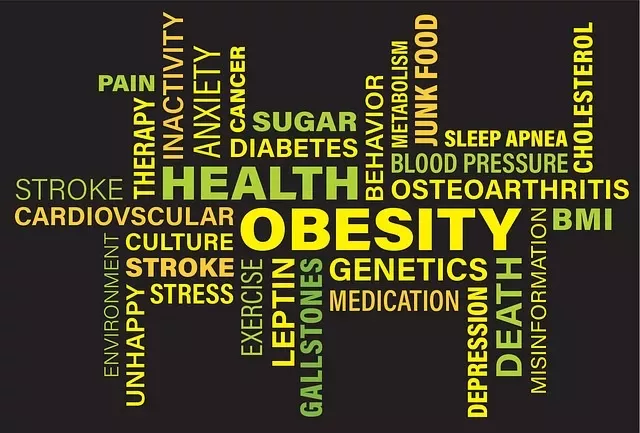
Carrying excess body fat causes chronic inflammation and systemic changes across almost every major organ network. Clinical studies show that individuals living with obesity have a significantly increased risk of developing the following chronic medical conditions:
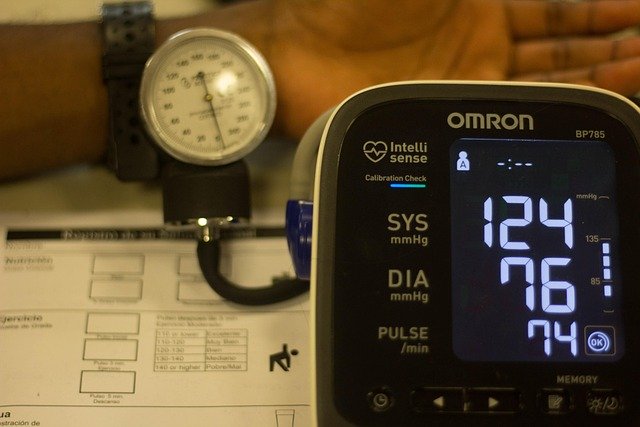
- Cardiovascular System: Heart disease, high blood pressure (hypertension), elevated cholesterol, and a dramatically increased risk of stroke.
- Metabolic Health: Insulin resistance, Metabolic Syndrome, and a massive surge in the likelihood of developing Type 2 diabetes.
- Respiratory Conditions: Severe asthma and obstructive sleep apnea.
- Joint and Bone Health: Osteoarthritis caused by persistent physical wear and pressure on the joints.
- Digestive Complications: Gallstones and chronic liver inflammation.
- Oncology: A higher risk of developing specific cancers, including stomach, esophageal, kidney, and colorectal cancers.
While this list is alarming, there is immense hope. Clinical data proves that losing just 5% to 10% of your total body weight can dramatically lower your metabolic risk factors, improve joint pain, and reverse conditions like pre-diabetes.
Lifestyle Solutions: Developing Healthy Habits
Because fat storage is so deeply intertwined with your hormonal and metabolic system, standard low-fat or highly restrictive starvation diets often fail over the long term. Sustainable health requires a combined approach that balances your biochemistry using both targeted nutrition and intentional movement.
Managing Nutrition and Insulin
Instead of focusing entirely on strict calorie counting, the most sustainable dietary approach centers on balancing your blood sugar:
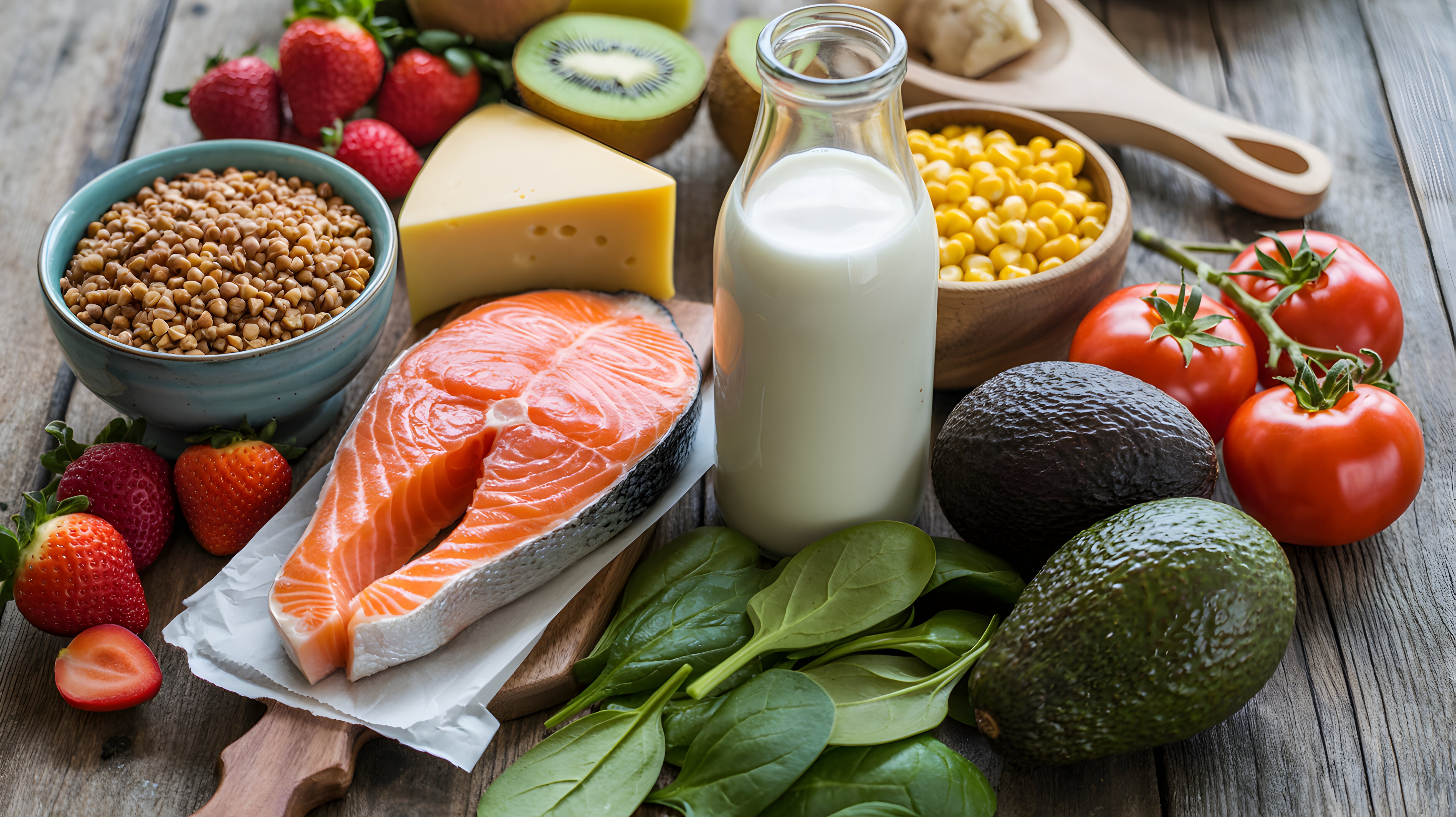
- Emphasize Real Foods: Base your meals around whole foods like vegetables, healthy fats, lean proteins, fruits, beans, and unprocessed grains.
- Manage Carbohydrates: Prioritize low-glycemic carbohydrates that digest slowly, preventing massive spikes in blood glucose and subsequent insulin surges.
- Avoid the Center Aisles: Minimize highly processed foods, packaged snacks, and products packed with hidden added sugars, which disrupt natural hunger signals.
The Role of Movement and Physical Activity
Regular physical activity is the vital second half of your lifestyle plan. Exercise is not just about "burning calories"—it is a powerful metabolic regulator that fundamentally changes how your body processes food:
- Improves Insulin Sensitivity: Physical activity prompts your muscles to absorb glucose directly from your bloodstream for energy, even without relying entirely on insulin. This helps lower circulating insulin levels, making it easier for your body to release stored fat.
- Preserves Lean Muscle Mass: When optimizing your nutritional habits, regular strength and resistance training ensures that your body preserves vital lean muscle tissue while losing body fat, keeping your metabolic rate high.
- Reduces Visceral Fat: Exercise is highly effective at reducing dangerous deep belly fat (visceral fat) that wraps around major internal organs and drives systemic inflammation.
- Acts as a Natural Stress Buster: Physical movement lowers overall cortisol levels—the very stress hormone responsible for intense sugar cravings, emotional eating, and middle-body weight gain.
Developing consistent, daily health habits does not just transform your own life—it reshapes the environment for your entire family, setting a vibrant example of health for children.

Global Awareness and Advocacy
Because obesity is a multi-faceted medical condition, healthcare networks around the world unite during specific calendar events to spread education, reduce societal weight stigma, and improve patient access to evidence-based medical care.
Explore our dedicated holiday guides to learn how you can participate:
- National Childhood Obesity Awareness Month (September Pediatric Focus)
- Obesity Awareness and Prevention Weeks (January & September Focus on Lifestyle)
- Obesity Awareness Month (September Adult Focus)
- World Obesity Day & Obesity Care Week (March Focus on Care & Advocacy)
A Note of Encouragement
If you are currently struggling with your weight or facing chronic health issues, please do not be discouraged. Your weight is a reflection of complex biology and environmental design—not a moral failing. Making the decision to prioritize your well-being is the ultimate form of self-care. Take it one meal, one walk, and one healthy habit at a time!

Solo Build It, or SBI, is the awesome E-Business software that we are using for this site! Create an extra income stream in your spare time!



Follow Us!
Instagram Account is Leigh's account - Follow along as I create a Homestead on 3.7 acres of raw land


SITE SPONSORS
(Please check out OUR other Sites!!)
Kerry's Site - Healthy Diet Habits:
We Will Be Moving the HDH Website to the Holiday Website!

Leigh's site - Truckee Travel Guide - a tourism site about the Ski Town of Truckee and Lake Tahoe.

Massage By Brie - Sacramento, CA
(Leigh's Daughter Brie)

Storz Homestead Lakeport, CA
Follow Along as I build out 3.7 acres
Search for Holidays By Month
Build Your Own Website!

SBI, or Solo Build It, is the E-Business software that we are using for this site!
Create some PASSIVE INCOME streams!
Related Pages


Obesity


National Childhood Obesity Awareness Month - September
Obesity Awareness Month (Adults) - September


Stress

National Stress Awareness Day April 16, 2026

National Stress Awareness Month
April

National Stress-Free Family Holiday Month - December

November Stress Awareness Days